How Does Cold Weather Affect Car Battery Performance in East Texas?
Cold weather can hinder car battery performance due to several factors, primarily related to chemical reactions and mechanical strain. As temperatures drop, the chemical reactions within the battery slow down, reducing its ability to generate power. This phenomenon is particularly pronounced in lead-acid batteries, which are commonly used in vehicles. Additionally, the viscosity of engine oil increases in colder temperatures, making it more difficult for the engine to turn over, which in turn places extra strain on the battery.
What Chemical Reactions Reduce Battery Power in Cold Temperatures?
In cold temperatures, the electrochemical reactions that occur within a lead-acid battery slow down significantly. The electrolyte solution, which is crucial for conducting electricity, becomes less effective as the temperature drops. This reduction in chemical activity leads to decreased voltage output, making it harder for the battery to start the engine. For instance, at 32°F (0°C), a battery can lose about 35% of its power, and at 0°F (-18°C), it can lose up to 50-60%. This diminished capacity can lead to frustrating situations, especially when trying to start your vehicle in the morning.
Modern research continues to explore the precise mechanisms of this chemical degradation in lead-acid batteries under cold conditions.
Lead-Acid Battery Degradation in Cold Temperatures
Electrochemical impedance spectroscopy, X-ray diffraction, and energy-dispersive X-ray spectroscopy analysis were used to evaluate the degradation mechanism and chemical degradation in cold conditions.
Failure analysis of lead‐acid batteries at extreme operating temperatures, U Prasad, 2023
How Does Increased Engine Oil Viscosity Strain the Battery?
As temperatures decrease, engine oil thickens, increasing its viscosity. This change means that the engine requires more power to turn over, which places additional demands on the battery. The increased load can lead to a situation where the battery is unable to provide sufficient power to start the engine, particularly if the battery is already weakened due to age or other factors. Understanding this relationship between oil viscosity and battery performance is essential for East Texas drivers, as it highlights the importance of regular battery maintenance during winter months.
This phenomenon is further supported by historical research on battery performance in low temperatures.
Cold Weather Impact on Car Battery Current
A cold engine requires higher torque to start it, and the colder the battery the less the amount of current that can be drawn from it.
Storage Battery Performance at Low Temperatures, 1943
What Are the Common Signs of a Dying Car Battery During East Texas Winters?
Recognizing the signs of a failing battery is crucial for preventing unexpected breakdowns during the winter. Several symptoms can indicate that your battery may be struggling, particularly in colder weather.
Slow Engine Crank: If you notice that your engine takes longer to start than usual, it may be a sign that your battery is losing its charge.
Dim Lights: Dimming headlights or interior lights can indicate that your battery is not providing enough power.
Corrosion on Battery Terminals: Visible corrosion around the battery terminals can hinder electrical flow and is a sign that your battery may need attention.
How to Recognize Slow Engine Crank and Dim Lights?
A slow engine crank is often the first noticeable sign that your battery is struggling. When you turn the key, if the engine cranks slowly or hesitates before starting, it may indicate that the battery is weak. Similarly, if your headlights appear dimmer than usual, especially when the engine is idling, this can be a clear indicator of battery issues. Both symptoms warrant immediate attention to avoid being stranded.
Why Does Battery Age and Corrosion Matter in Winter?
Battery age plays a significant role in its performance, particularly in winter. As batteries age, their ability to hold a charge diminishes, making them more susceptible to failure in cold weather. Additionally, corrosion on battery terminals can impede the flow of electricity, further reducing the battery's effectiveness. Regular inspections and maintenance can help identify these issues before they lead to a complete battery failure.
How Can East Texas Drivers Maintain Their Car Batteries During Winter?
Maintaining your car battery during the winter months is essential for ensuring reliable performance. Here are some effective maintenance tips that can help prolong the life of your battery:
Regular Battery Testing: Have your battery tested regularly, especially before the winter season, to ensure it is in good condition.
Keep Connections Clean: Regularly check and clean the battery terminals to prevent corrosion buildup.
Limit Short Trips: Frequent short trips can prevent the battery from fully charging, so try to combine errands into longer drives.
What Are Effective Winter Car Battery Maintenance Tips?
To keep your battery in optimal condition during winter, consider the following tips:
Test Your Battery: Before winter sets in, have your battery tested to ensure it can handle the cold. Many automotive shops, including Torque Automotive, offer battery testing services.
Clean Terminals: Regularly clean the battery terminals to remove any corrosion that may have built up, ensuring a good connection.
Use a Battery Blanket: In extremely cold conditions, consider using a battery blanket to keep the battery warm and functional.
How Do Driving Habits and Parking Choices Impact Battery Health?
Your driving habits and parking choices can significantly affect your battery's health. Short trips do not allow the battery to fully recharge, leading to a gradual loss of power. Additionally, parking in unprotected areas exposes the battery to extreme temperatures, which can accelerate wear and tear. Whenever possible, park in a garage or sheltered area to protect your battery from the elements.
When Should You Consider Car Battery Testing and Replacement in Longview, TX?
Knowing when to test or replace your car battery is crucial for maintaining vehicle reliability. If your battery is more than three to four years old, it is advisable to have it tested regularly, especially before winter. Signs such as slow cranking, dim lights, or corrosion should prompt immediate testing.
What Is Torque Automotive’s Battery Diagnostic Process?
Torque Automotive offers a comprehensive battery diagnostic process that includes testing the battery's voltage, checking for corrosion, and assessing the overall health of the battery. This thorough examination helps identify any potential issues before they lead to a breakdown. Their experienced technicians can provide recommendations for battery replacement if necessary.
Which Quality Battery Brands and Warranty Options Are Available?
When it comes to battery replacement, Torque Automotive provides a selection of high-quality battery brands known for their reliability and performance. Options include well-regarded brands that offer warranties, ensuring peace of mind for drivers. Choosing a battery with a solid warranty can protect your investment and provide assurance of quality.
What Are Frequently Asked Questions About Cold Weather Car Battery Problems in East Texas?
Understanding common questions about car battery issues in cold weather can help drivers prepare and respond effectively.
What To Do If Your Car Won’t Start on a Cold East Texas Morning?: If your car fails to start, check the battery connections for corrosion and ensure the battery is charged. If problems persist, consider seeking professional assistance.
How Do Cold Cranking Amps Affect Winter Battery Performance?: Cold cranking amps (CCA) measure a battery's ability to start an engine in cold temperatures. A higher CCA rating indicates better performance in cold weather, making it essential for winter driving.
What To Do If Your Car Won’t Start on a Cold East Texas Morning?
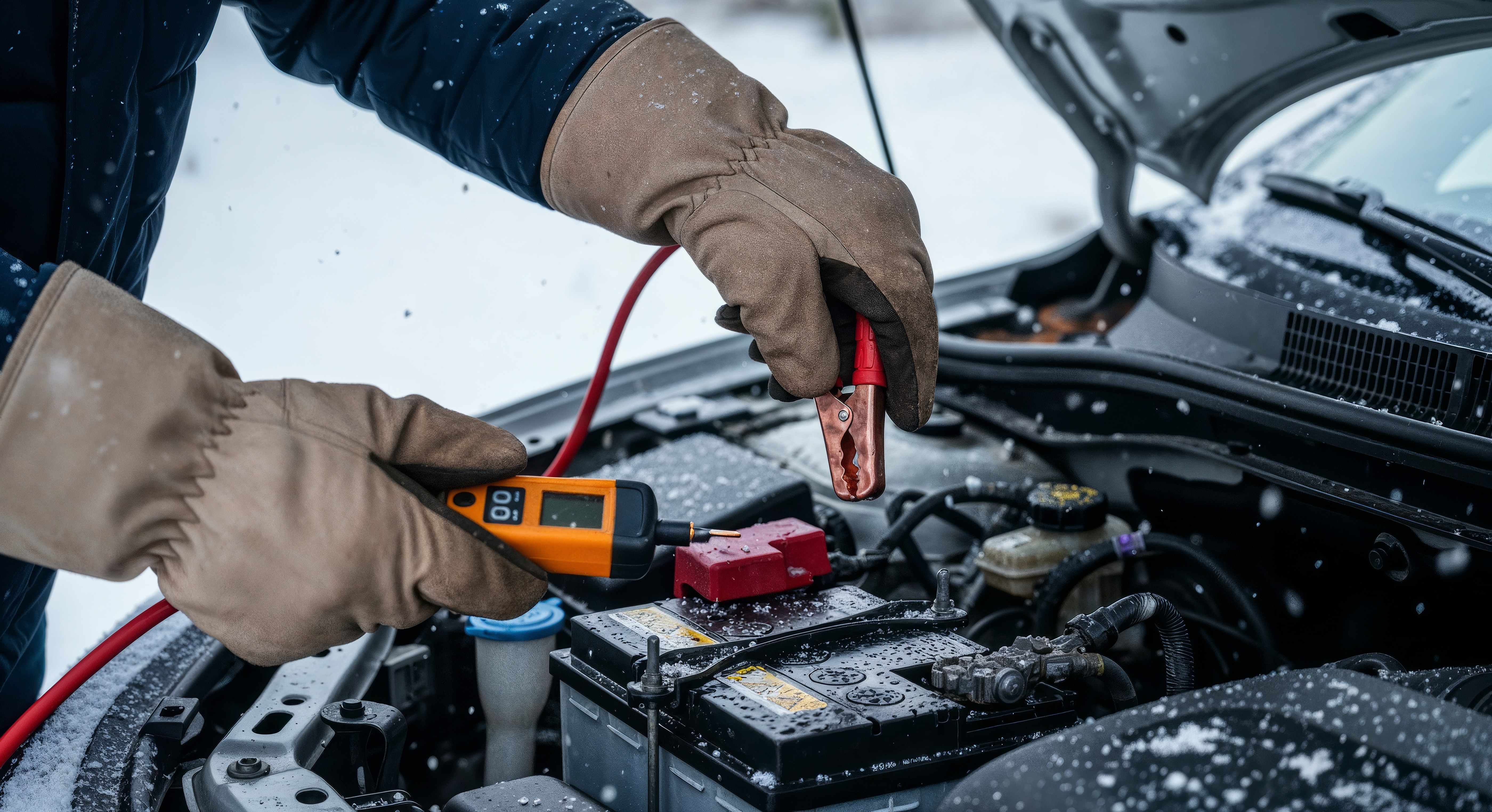
If your car won't start, first check the battery connections for any signs of corrosion or looseness. If everything appears secure, try jump-starting the vehicle. If the car still does not start, it may be time to consult a professional for further diagnostics.
How Do Cold Cranking Amps Affect Winter Battery Performance?
Cold cranking amps (CCA) are crucial for battery performance in cold weather. A battery with a higher CCA rating can provide more power to start the engine in low temperatures. For optimal winter performance, ensure your battery meets the CCA requirements for your vehicle.
The importance of cold cranking performance and battery lifespan in low temperatures is a subject of ongoing scientific investigation.
Lead-Acid Battery Cold Cranking Performance & Lifespan
This study evaluated the performance and lifespan of LABs for cold cranking using MATLAB/Simulink simulation. We investigated the intricate relationship between battery capacity.
Evaluating the performance and lifespan of lead-acid batteries in cold cranking applications, MJ Lencwe, 2023
Different battery maintenance strategies can help ensure your vehicle remains reliable during the winter months.
Maintenance Strategy | Description | Benefit |
Regular Testing | Periodic battery testing to assess health | Prevents unexpected failures |
Terminal Cleaning | Cleaning battery terminals to remove corrosion | Ensures optimal electrical flow |
Driving Habits | Combining short trips into longer drives | Allows battery to fully recharge |