Check Engine Light On During Cold Weather? Understanding Causes and Solutions
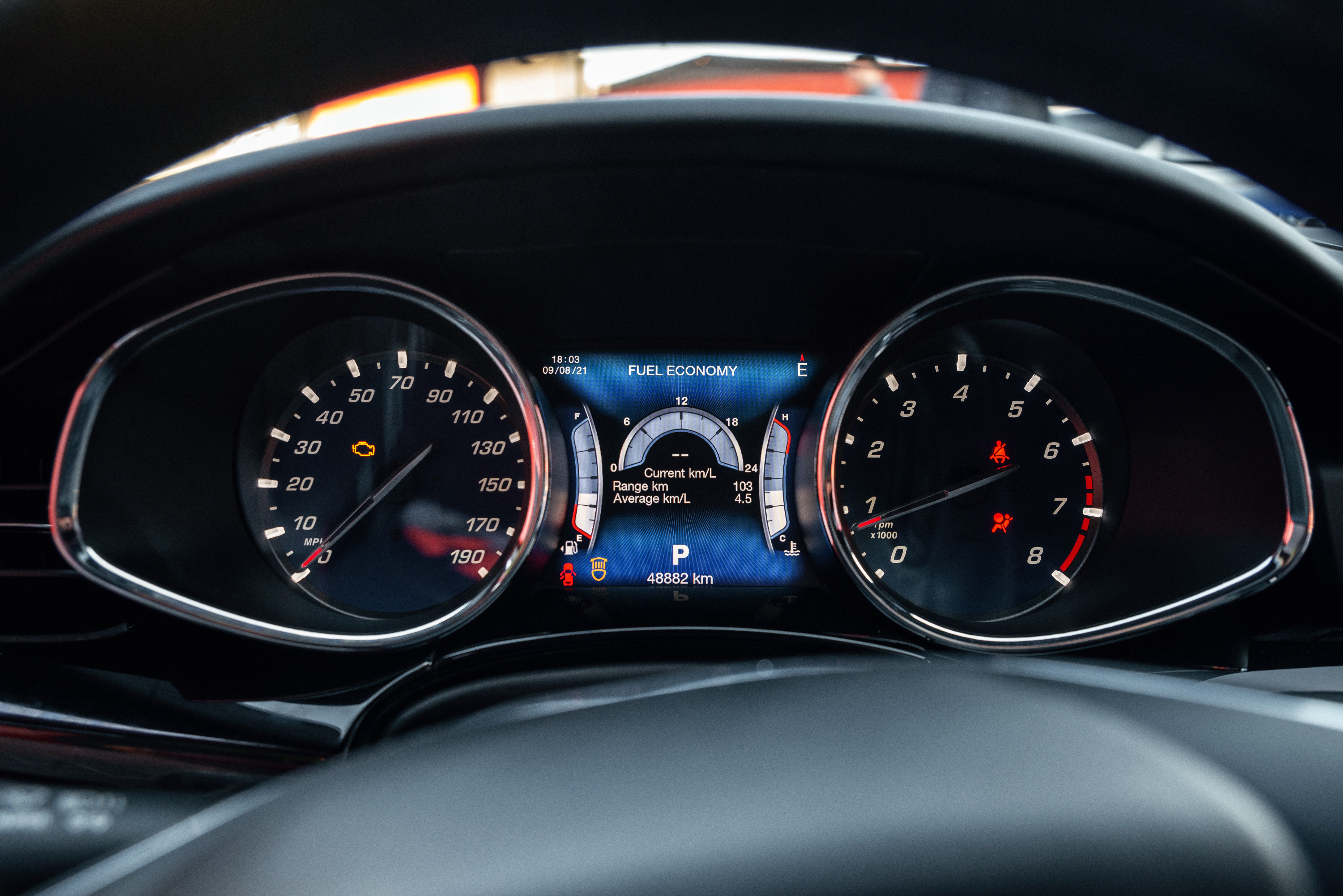
When the check engine light illuminates during cold weather, it can be a source of anxiety for many drivers. Understanding the reasons behind this warning light is crucial for maintaining vehicle health and ensuring safety on the road. This article will explore the common causes of the check engine light activation in cold weather, the role of various sensors, and the importance of timely diagnostics. By the end, you will have a clearer understanding of how cold weather affects your vehicle and what steps you can take to address these issues effectively.
In this guide, we will cover the following key sections: why the check engine light comes on in cold weather, common causes of activation, the impact of sensor malfunctions, fuel system problems, when to seek professional diagnostics, and how preventative maintenance can help.
Why Does the Check Engine Light Come On When It's Cold?
The check engine light can activate for several reasons when temperatures drop. Cold weather affects vehicle performance by altering engine components and sensor functionality. For instance, denser air can impact the fuel mixture, while a weak battery may struggle to provide sufficient power. Understanding these factors is essential for diagnosing the issue accurately.
How Does Cold Weather Affect Vehicle Engine Performance?
Cold weather can significantly impact engine performance. Thicker engine oil can lead to increased friction, making it harder for the engine to turn over. Additionally, battery capacity is reduced in low temperatures, which can hinder starting. Fuel mixtures also change, as colder air is denser, requiring adjustments for optimal combustion. These factors can contribute to the check engine light activation, signaling potential issues that need attention.
What Role Do Sensors Play in Triggering the Check Engine Light in Winter?
Sensors play a critical role in monitoring engine performance and emissions. In winter, sensors such as the oxygen sensor and mass airflow (MAF) sensor can malfunction due to temperature sensitivity or contamination. For example, the oxygen sensor may misread the air-fuel mixture, leading to incorrect adjustments by the engine control unit (ECU). Understanding how these sensors function in cold conditions is vital for diagnosing check engine light issues.
Research highlights the intricate design and calibration required for MAF sensors to accurately measure airflow and control the air-fuel ratio across a wide range of ambient temperatures.
MAF Sensor Design for Air-Fuel Ratio Control in Varying Temperatures
There is a need for a low-cost sensor to be used in many practical applications, such as the control of the air–fuel ratio in combustion burners, which measures the mass flow rate of fluid. This paper focuses on the design, calibration, and testing of a mass flow sensor operating on the principle of thermal dispersion. The developed sensor implements a digital proportional-integral controller which regulates the body temperature of a heated element, recognized as a thermistor, located in the stream of the fluid flow to a constant difference with respect to the ambient air temperature. The power dissipated by this heated element was referenced to known mass flow rates of air to determine the relationship between the dissipated power and ambient temperature to the measured mass flow rate. The inclusion of air flow conditioners, which filtered unwanted debris and delivered a more laminar air flow, was imperative to the success of the design. The designed sensor was proven to measure the incoming mass air flow through a duct, in the presence of moderate disturbances in the intake air pipe and for a wide range of ambient air temperatures, with a maximum full-scale error of 5.5% and a range up to 80 kg/h.
Design of a low-cost thermal dispersion mass air flow (MAF) sensor, 2018
Common Cold Weather Causes of Check Engine Light Activation
Several specific issues can trigger the check engine light during cold weather. Identifying these causes can help drivers take appropriate action before more significant problems arise.
Weak Battery Issues: Cold temperatures can reduce battery capacity, leading to starting difficulties and triggering the check engine light.
EVAP System Problems: The evaporative emissions control (EVAP) system can experience leaks or malfunctions in cold weather, causing the check engine light to activate.
Sensor Malfunctions: Cold weather can affect the performance of various sensors, leading to inaccurate readings and potential engine issues.
How Does a Weak Battery Trigger the Check Engine Light in Cold Temperatures?
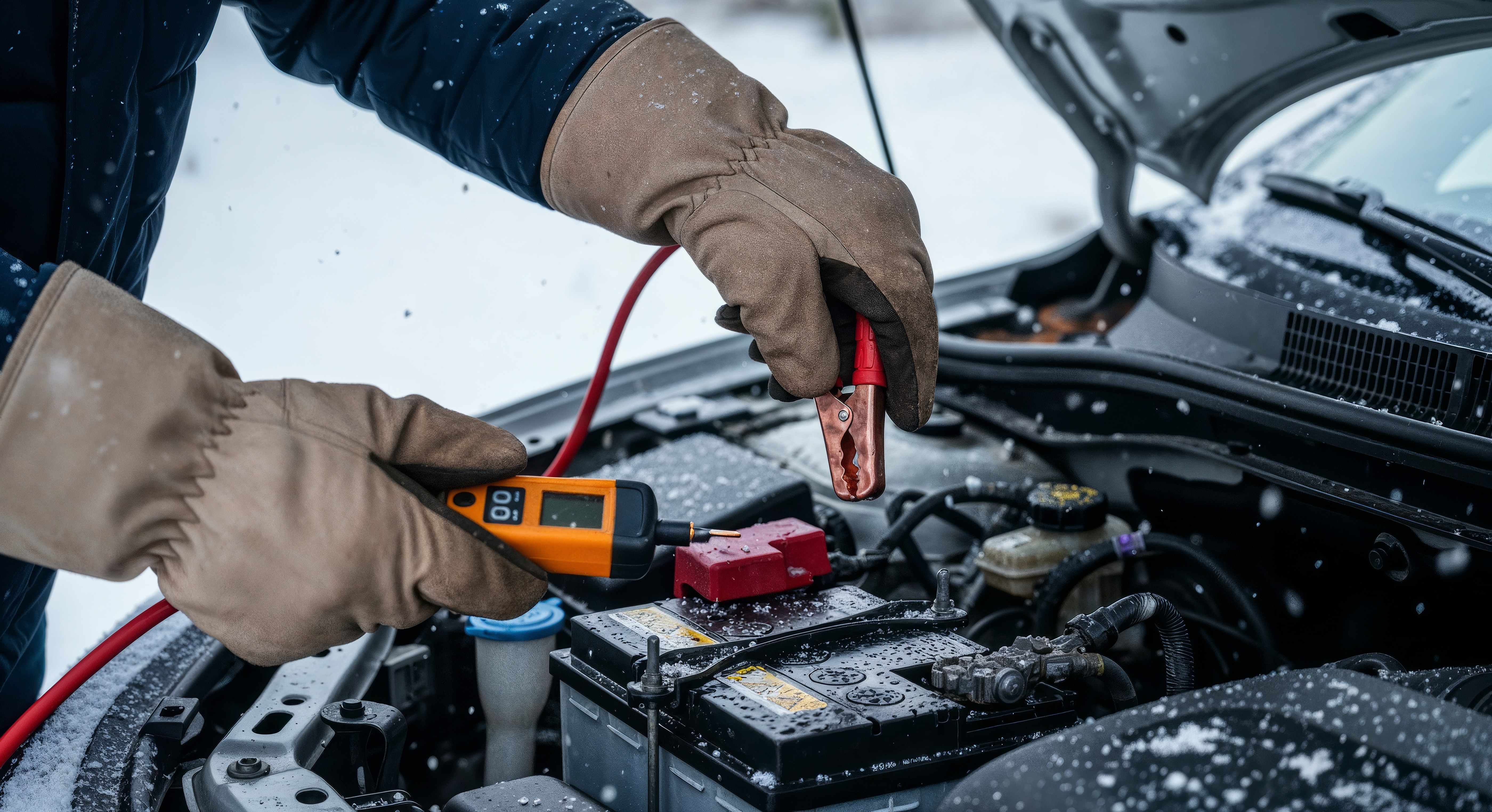
A weak battery can trigger the check engine light in cold temperatures due to its reduced capacity. Cold weather can cause the battery to lose up to 50% of its power, making it difficult to start the engine. Symptoms of a weak battery include slow engine cranking and dimming headlights. Regular battery maintenance, such as checking connections and testing voltage, can help prevent these issues.
What EVAP System Issues Cause Check Engine Light During Winter?
The EVAP system is responsible for capturing fuel vapors from the gas tank and preventing them from escaping into the atmosphere. In cold weather, components such as seals can contract, leading to leaks. Common symptoms of EVAP system issues include a noticeable fuel odor and the check engine light activation. Addressing these problems promptly can prevent further complications.
Understanding the principles behind evaporative emission control systems, particularly how they are affected by ambient temperature changes, is crucial for effective vehicle design and maintenance.
Automotive Evaporative Emission Control Systems & Ambient Temperature Effects
ABSTRACT: Diurnal evaporative emissions from a vehicle's gasoline (petrol) tank are due to the increase in gasoline vapor pressure with ambient temperature over the course of a 24-hour period. Graphical illustrations are used to explain both the mechanism of these emissions and various control methods. The diurnal emissions can be controlled either by using either an activated carbon canister or a sealed/pressurized fuel tank. Mathematical models were developed for estimating tank vapor generation and activated carbon canister volume for storing the tank vapor. Nomographs were developed for estimating the canister purge air requirements and canister bleed emissions. The models and the nomographs can be used for designing an evaporative emission control system for a given vehicle fuel system. Another mathematical model was developed for estimating the sealed/pressurized fuel tank pressure as a function of fuel RVP (Reid Vapor Pressure) and temperature.
Understanding and designing automotive evaporative emission control systems, 2012
How Do Sensor Malfunctions in Cold Weather Affect Your Engine Light?
Sensor malfunctions can significantly impact engine performance and trigger the check engine light. Understanding which sensors are most affected by cold weather can help in diagnosing issues effectively.
Why Do Oxygen and MAF Sensors Fail or Misread in Cold Conditions?
Oxygen and MAF sensors can fail or misread in cold conditions due to temperature sensitivity or contamination from moisture and road salt. Cold air density itself does not cause sensor failure but can affect sensor readings indirectly. Symptoms of sensor failure include poor fuel economy and rough idling. Regular inspections can help identify and rectify these issues before they escalate.
The fundamental design of mass airflow sensors is critical for estimating airflow rates and ensuring optimal combustion efficiency, even in challenging environmental conditions.
Mass Airflow Sensor Design for Combustion Efficiency
This thesis describes the design of a mass airflow sensor and a flame temperature sensor that can be used to estimate mass airflow rate and equivalence ratio respectively, thereby enabling control of the efficiency of combustion systems. The mass airflow sensor designed for this thesis is an inline airflow sensor that can be used to measure combustion intake air in the temperatu
Mass Airflow Sensor and Flame Temperature Sensor for Efficiency Control of Combustion Systems, 2015
How Does Coolant Temperature Sensor Sensitivity Impact Engine Diagnostics?
The coolant temperature sensor plays a crucial role in engine diagnostics by providing temperature readings to the ECU. In cold weather, this sensor may provide delayed or inaccurate readings if faulty or contaminated, leading to improper fuel mixture adjustments. Accurate readings are essential for optimal engine performance, and any discrepancies can trigger the check engine light. Ensuring the sensor is functioning correctly is vital for maintaining engine health.
What Fuel System Problems in Freezing Temperatures Cause the Check Engine Light?
Fuel system issues can also trigger the check engine light during freezing temperatures. Identifying these problems early can help prevent more severe engine damage.
Frozen Fuel Lines: Cold temperatures can cause water in fuel lines to freeze, leading to engine performance issues and activation of the check engine light.
Fuel-Air Mixture Issues: The cold can affect the fuel-air mixture, leading to inefficient combustion and triggering the check engine light.
Impact of Cold on Fuel Quality: Cold weather can also affect fuel quality, especially diesel fuel, which can gel in low temperatures, leading to potential engine issues.
How Do Frozen Fuel Lines and Mixture Issues Trigger Engine Warnings?
Frozen fuel lines can prevent fuel from reaching the engine, causing it to stall or fail to start. Symptoms of frozen fuel lines include sputtering during acceleration and difficulty starting the engine. Addressing these issues promptly can prevent further damage and ensure reliable vehicle operation.
Can a Loose Gas Cap Cause Check Engine Light in Cold Weather?
Yes, a loose gas cap can trigger the check engine light in cold weather. A loose or damaged gas cap can lead to fuel vapor leaks, activating the EVAP system warning. Symptoms include a noticeable fuel odor and the check engine light illuminating. Regularly checking the gas cap for proper sealing can help prevent this issue.
When Should You Seek Professional Diagnostics for Your Check Engine Light?
Knowing when to seek professional help for check engine light issues is crucial for maintaining vehicle health. Certain signs indicate that professional diagnostics are necessary.
What Is the Torque Automotive Diagnostic Process for Cold Weather Engine Issues?
At Torque Automotive, our diagnostic process for cold weather engine issues involves a thorough inspection of the vehicle's systems. We utilize advanced diagnostic tools to identify the root cause of the check engine light activation. Our technicians assess battery performance, sensor functionality, and fuel system integrity to provide accurate solutions.
How Can Timely Diagnosis Prevent Costly Repairs?
Timely diagnosis of check engine light issues can prevent costly repairs down the line. Ignoring the warning light can lead to more severe engine problems, resulting in expensive fixes. Regular maintenance and prompt attention to warning signs can save drivers significant money and ensure vehicle reliability.
How Can Preventative Winter Car Maintenance Help Avoid Check Engine Lights?
Preventative maintenance is essential for avoiding check engine light issues during winter. Implementing regular maintenance practices can help keep your vehicle in optimal condition.
Battery Checks: Regularly testing battery voltage and connections can prevent starting issues in cold weather.
Fluid Level Maintenance: Ensuring all fluids are at appropriate levels can help prevent engine problems.
Tire Pressure Monitoring: Cold weather can affect tire pressure, so regular checks are essential for safety and performance.
What Maintenance Tips Reduce Cold Weather Engine Problems?
To reduce cold weather engine problems, consider the following maintenance tips:
Check Battery Health: Ensure your battery is in good condition and fully charged.
Inspect Fluid Levels: Regularly check and top off engine oil, coolant, and other fluids.
Monitor Tire Pressure: Keep tires inflated to the recommended levels to ensure optimal traction and handling.
How Do Torque Automotive’s Service Plans Support Winter Vehicle Health?
Torque Automotive offers comprehensive service plans designed to support winter vehicle health. Our plans include regular inspections, fluid checks, and battery testing to ensure your vehicle is ready for cold weather. By investing in preventative maintenance, you can avoid unexpected repairs and keep your vehicle running smoothly throughout the winter months.
Cause of Activation | Description | Symptoms |
Weak Battery | Reduced capacity in cold weather | Slow cranking, dim headlights |
EVAP System Issues | Leaks or malfunctions | Fuel odor, check engine light |
Sensor Malfunctions | Inaccurate readings | Poor fuel economy, rough idling |
In conclusion, understanding the reasons behind the check engine light activation during cold weather is essential for maintaining vehicle health. By recognizing the common causes and implementing preventative maintenance, drivers can ensure their vehicles remain reliable and safe on the road.