Grinding vs Squealing Brakes: What Each Sound Means and How to Diagnose Brake Noise Symptoms
Understanding the sounds your brakes make is crucial for vehicle safety and maintenance. Two common sounds that drivers may encounter are grinding and squealing brakes, each indicating different issues that require attention. This article will explore the causes and implications of these sounds, helping you diagnose brake noise symptoms effectively. By recognizing the differences between grinding and squealing brakes, you can take proactive steps to ensure your vehicle remains safe and reliable. We will cover the causes of squealing brakes, the seriousness of grinding noises, troubleshooting methods, when to seek professional help, and the importance of preventative maintenance.
Indeed, the analysis of brake sounds is a recognized method for identifying potential issues and wear.
Acoustic Monitoring for Brake Wear & Problem Detection
A new approach for detecting problems with vehicle brakes by analyzing sounds emitted during braking events is proposed. Vehicle brakes emit acoustic energy as part of the braking process; the spectra of these sounds are highly dependent on the mechanical condition of the brake and can be used to detect problems.
Monitoring Brake Wear with Acoustics, A Alden, 2021
What Causes Squealing Brakes and What Does This Noise Indicate?
Squealing brakes are often a sign of wear or an issue with the brake system. This noise typically occurs when the brake pads are worn down, causing a metal wear indicator to contact the rotor. The sound serves as an alert that maintenance is needed. Additionally, moisture, dust, or debris can contribute to squealing sounds, indicating that the brakes may require cleaning or adjustment. Understanding these causes is essential for maintaining brake performance and safety.
Further research delves into the subjective perception of brake noise, highlighting the importance of psycho-acoustic factors in understanding squeal.
Assessing Brake Noise & Squeal: Psycho-Acoustic Insights
The paper first provides an overview on psycho-acoustic findings relevant for perception and subjective assessment of brake noise. It is clarified that brake squeal must be analyzed with respect to the psycho-acoustic properties of the background noise.
Brake noise assessment by means of vehicle road tests subjective parameters and objective measurement concepts, 2005
Which Brake Components Produce Squealing Sounds?
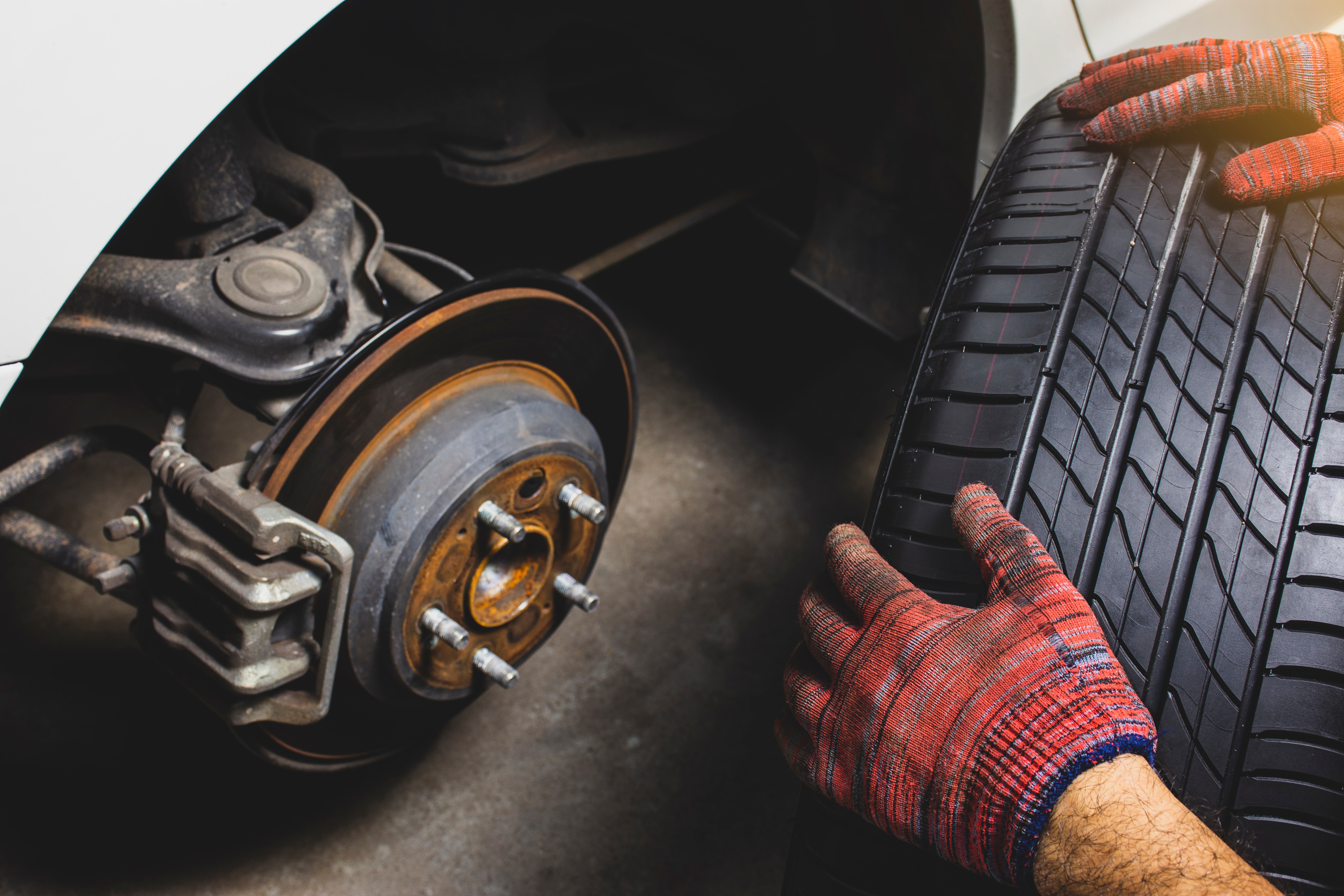
Brake Pads: Worn brake pads often have built-in wear indicators that create a squealing noise when they need replacement.
Brake Calipers: If calipers are not functioning correctly, they may cause uneven wear on the pads, leading to squealing.
Brake Rotors: Damaged or warped rotors can also contribute to noise, as they may not provide a smooth surface for the pads to grip.
What Are Common Causes of Brake Squeal Including Worn Pads and Moisture?
Worn Brake Pads: As pads wear down, the metal indicators can create a high-pitched squeal.
Moisture: Rain or washing the vehicle can lead to temporary squealing due to moisture on the brake components.
Dust and Debris: Accumulation of dust or debris can interfere with the brake system, causing noise.
What Does Grinding Brake Noise Mean and Why Is It More Serious?
Grinding brake noise is a more serious issue than squealing, often indicating that the brake pads have worn down completely, leading to metal-on-metal contact. This can cause significant damage to the brake rotors and other components, necessitating immediate attention.
How Does Metal-on-Metal Contact Cause Grinding Noises?
When brake pads wear down to the metal backing, they can create a grinding noise as they make contact with the rotor. This metal-on-metal contact can lead to:
Rotor Damage: Prolonged grinding can severely damage the rotors, requiring costly resurfacing or replacement.
Reduced Stopping Power: The effectiveness of the brakes diminishes, increasing the risk of accidents.
Increased Repair Costs: Ignoring grinding noises can lead to more extensive repairs down the line.
What Are the Risks of Ignoring Grinding Brake Sounds?
Ignoring grinding brake sounds can lead to several risks, including:
Increased Repair Costs: What could have been a simple pad replacement may escalate to rotor resurfacing or replacement and more extensive repairs.
Safety Risks: Diminished braking power can lead to accidents, putting the driver and others at risk.
Potential Accidents: Failing to address grinding noises can result in brake failure, leading to dangerous situations on the road.
How to Troubleshoot and Differentiate Between Brake Noises
Differentiating between brake noises can help identify the underlying issues. Understanding the characteristics of various sounds can guide drivers in troubleshooting effectively.
What Are Other Common Brake Noises and Their Meanings?
Clicking: Often indicates loose components or debris in the brake system.
Thumping: May suggest warped rotors or issues with the suspension.
Vibrations: Can indicate uneven wear on the brake pads or rotors.
How Can Drivers Identify Symptoms of Worn Brake Pads and Rotors?
Drivers can identify symptoms of worn brake pads and rotors by observing:
Visual Inspection: Checking the thickness of the brake pads and looking for grooves or damage on the rotors.
Sound Assessment: Listening for unusual noises when braking, such as squealing or grinding.
Performance Issues: Noticing a decrease in braking efficiency or a longer stopping distance.
Regular inspections and awareness of these symptoms can help maintain brake performance.
When Should You Seek Professional Brake Inspection and Repair?
Knowing when to seek professional help is crucial for maintaining vehicle safety. Certain signs indicate that immediate attention is required.
What Are Clear Signs That Require Immediate Brake Service?
Drivers should seek immediate brake service if they notice:
Squealing or Grinding Noises: Persistent noises indicate that brake components may need replacement.
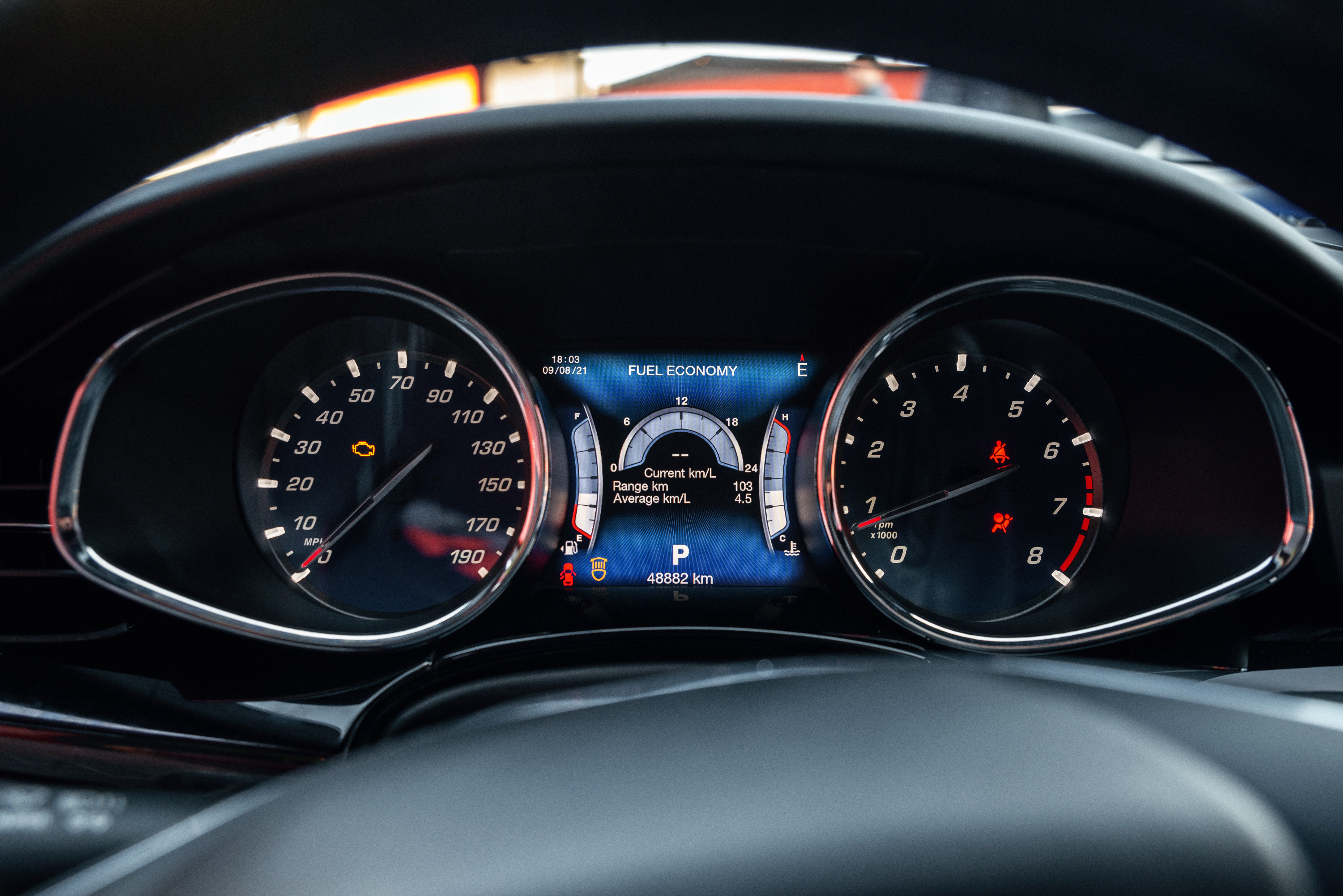
Warning Lights: Dashboard indicators related to the brake system should not be ignored.
Vibrations or Pulling: If the vehicle pulls to one side or vibrates during braking, it may indicate a serious issue.
Addressing these signs promptly can prevent further damage and ensure safety.
How Does Torque Automotive Diagnose and Repair Brake Noise Issues?
At Torque Automotive, our approach to diagnosing and repairing brake noise issues includes:
Comprehensive Inspection: We conduct thorough inspections of the brake system, including pads, rotors, and calipers.
Use of Diagnostic Tools: Our technicians utilize advanced diagnostic tools to identify the root cause of the noise.
Transparent Communication: We keep our customers informed about the findings and necessary repairs, ensuring peace of mind.
Our commitment to quality work and transparency helps customers make informed decisions about their vehicle maintenance.
How Can Preventative Brake Maintenance Help Avoid Squealing and Grinding?
Preventative maintenance is key to avoiding the issues associated with squealing and grinding brakes. Regular inspections and maintenance can extend the life of brake components and enhance safety.
What Regular Brake Inspections and Maintenance Are Recommended?
Visual Checks: Inspecting brake pads and rotors for wear and damage.
Cleaning: Removing dust and debris from the brake components to prevent noise.
Fluid Checks: Ensuring brake fluid levels are adequate and free of contamination.
These practices can help maintain optimal brake performance and prevent issues.
How Does Proper Brake Pad Replacement and Rotor Care Prevent Noise?
Proper brake pad replacement and rotor care involve:
Using Quality Parts: Selecting high-quality brake pads and rotors that meet manufacturer specifications.
Correct Installation: Ensuring that pads and rotors are installed correctly to prevent uneven wear.
Regular Maintenance: Scheduling routine maintenance to check for wear and replace components as needed.
By following these practices, drivers can significantly reduce the likelihood of encountering squealing or grinding noises.
Component | Maintenance Task | Frequency |
Brake Pads | Inspect and replace | Every 20,000 to 50,000 miles (varies by vehicle and driving conditions) |
Rotors | Check for warping and thickness | Every 30,000 to 70,000 miles (varies by vehicle and driving conditions) |
Brake Fluid | Flush and replace | Every 2 years or 24,000 miles |
This table outlines essential maintenance tasks for brake components, helping drivers stay proactive in their vehicle care.
In summary, understanding the differences between grinding and squealing brakes is vital for vehicle safety. By recognizing the signs and symptoms of brake issues, drivers can take appropriate action to maintain their vehicles. Regular inspections and preventative maintenance play a crucial role in ensuring that brakes function effectively, providing peace of mind on the road.
Indeed, the brake system is a critical safety component, and effective fault diagnosis is paramount for safe vehicle operation.
Automobile Brake System Fault Diagnosis & Safety
The brake system is a safety critical component necessary for the safe operation of the vehicle. The faults in a hydraulic brake system of an automobile are not fairly noticeable.
Fault diagnosis of automobile hydraulic brake system using statistical features and support vector machines, R Jegadeeshwaran, 2015