Signs Your Vehicle Is Out of Alignment: How to Detect Subtle Symptoms and Protect Your Car
Vehicle alignment is crucial for ensuring a smooth and safe driving experience. Misalignment can lead to uneven tire wear, poor handling, and decreased fuel efficiency. In this article, we will explore the subtle signs that indicate your vehicle may be out of alignment, helping you to identify issues before they escalate into more significant problems. Understanding these signs not only protects your vehicle but also enhances your safety on the road. We will cover various symptoms, including how to recognize pulling to one side, the implications of uneven tire wear, and the importance of professional alignment checks.
What Are the Subtle Signs Your Car Is Pulling to One Side?
One of the most common signs of misalignment is when your vehicle pulls to one side while driving. This can occur even with slight steering wheel movement, making it essential to be aware of the subtle indicators.
How to Recognize Vehicle Pulling Without Obvious Steering Wheel Movement
When driving, if you notice that your vehicle tends to drift to the left or right, it may be a sign of misalignment. This pulling can be subtle, and you might not feel significant resistance in the steering wheel. Pay attention to how your vehicle behaves on straight roads; if you find yourself constantly correcting the steering, it’s time to investigate further. Ignoring this symptom can lead to increased tire wear and potential safety hazards.
What Does a Loose Steering Feel Indicate About Alignment?
A loose steering feel can also indicate alignment issues. If your steering wheel feels unresponsive or has excessive play, it may suggest that your vehicle's alignment or steering components are off. This condition can compromise your control over the vehicle, making it more challenging to navigate turns and maintain a straight path. Addressing this issue promptly is crucial for your safety and the longevity of your vehicle.
How Can Uneven Tire Wear Patterns Reveal Hidden Alignment Issues?
Uneven tire wear is another critical indicator of misalignment. Monitoring your tires can provide valuable insights into the condition of your vehicle's alignment.
What Are the Different Types of Uneven Tire Wear to Watch For?
There are several types of uneven tire wear patterns to be aware of, including:
Feathering: This occurs when the edges of the tire tread wear unevenly, creating a "feathered" appearance. It often indicates that the wheels are misaligned.
Cupping: This pattern features high and low spots on the tire tread, which can result from improper alignment or suspension issues.
Edge Wear: If the inner or outer edges of the tire are more worn than the center, it can signal that the vehicle is out of alignment.
Recognizing these patterns early can help you address alignment issues before they lead to more severe problems.
How Does Feathering and Cupping Tire Wear Signal Misalignment?
Feathering and cupping are clear signs that your vehicle's alignment may be off. Feathering typically results from the tires being angled incorrectly, causing one side to wear more than the other. Cupping, on the other hand, can be caused by worn suspension components, unbalanced tires, or improper tire inflation. Both conditions not only affect tire longevity but can also compromise your vehicle's handling and safety.
What Causes a Vibrating or Crooked Steering Wheel When Driving Straight?
A vibrating or crooked steering wheel is another symptom of potential alignment issues. Understanding the causes can help you take appropriate action.
How Does Steering Wheel Vibration Relate to Wheel Alignment Problems?
If your steering wheel vibrates while driving straight, it may indicate that your wheels are not aligned correctly or that your tires are unbalanced. This vibration can stem from uneven tire wear, misaligned suspension components, or tire imbalance. Addressing this issue promptly can prevent further damage to your tires and suspension system.
Why Is a Crooked Steering Wheel a Sign of Subtle Misalignment?
A crooked steering wheel is a clear indicator of misalignment. If your steering wheel is not centered while driving straight, it suggests that your wheels are not aligned properly. This misalignment can lead to uneven tire wear and affect your vehicle's handling. Regular checks and adjustments can help maintain proper alignment and ensure a safer driving experience.
What Are Common but Overlooked Causes of Vehicle Misalignment?
Several factors can contribute to vehicle misalignment, many of which are often overlooked by drivers.
How Do Potholes and Curb Impacts Lead to Alignment Issues?
Potholes and curb impacts are common culprits of misalignment. Hitting a pothole or bumping a curb can jolt your vehicle's suspension and steering components, leading to misalignment. It's essential to be cautious when driving over uneven surfaces and to have your alignment checked if you experience any sudden changes in handling.
What Role Do Worn Suspension Components Play in Misalignment?
Worn suspension components, such as bushings, ball joints, and tie rods, can also lead to alignment issues. As these parts wear down, they can affect the angles at which your wheels are positioned. Regular inspections of your suspension system can help identify potential problems before they lead to misalignment.
How Does Misalignment Affect Vehicle Safety and Fuel Efficiency?
Misalignment not only impacts your vehicle's handling but also poses significant safety risks and can decrease fuel efficiency.
What Are the Long-Term Consequences of Ignoring Subtle Alignment Signs?
Ignoring signs of misalignment can lead to severe consequences, including increased tire wear, reduced fuel efficiency, and compromised vehicle safety. Over time, misalignment can cause your tires to wear unevenly, leading to costly replacements and potential blowouts.
How Can Proper Alignment Improve Fuel Economy and Tire Life?
Maintaining proper alignment can significantly enhance your vehicle's fuel economy and extend the life of your tires. When your wheels are aligned correctly, your vehicle requires less energy to move, resulting in better fuel efficiency. Additionally, even tire wear ensures that your tires last longer, saving you money in the long run.
When Should You Get a Professional Wheel Alignment Check?
Knowing when to seek professional help for wheel alignment is crucial for maintaining your vehicle's performance.
What Preventative Maintenance Can Help Avoid Alignment Problems?
Regular preventative maintenance can help avoid alignment issues. This includes routine inspections of your tires, suspension, and steering components. Additionally, having your alignment checked after any significant impact, such as hitting a pothole or curb, can prevent further complications.
How Does Torque Automotive Diagnose and Fix Subtle Alignment Issues?
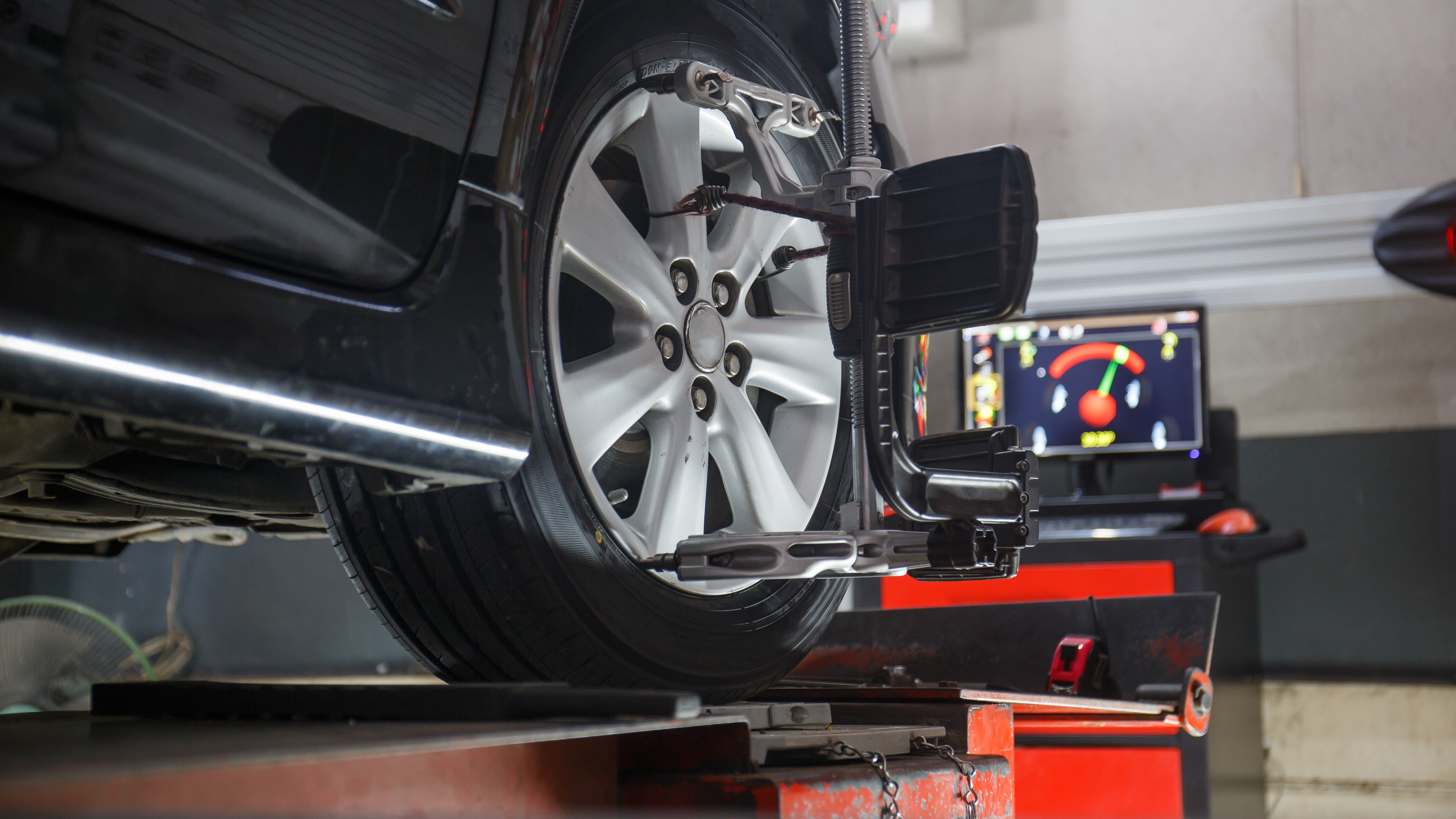
At Torque Automotive, we specialize in diagnosing and fixing subtle alignment issues. Our experienced technicians use advanced diagnostic tools to assess your vehicle's alignment and make necessary adjustments. We understand the importance of proper alignment for your vehicle's performance and safety, ensuring that you receive the best service possible.
Tire Wear Pattern | Description | Implications |
Feathering | Uneven wear on tread edges | Indicates misalignment |
Cupping | High and low spots on tread | Suggests suspension or balance issues |
Edge Wear | More wear on inner/outer edges | Signals alignment problems |
This table summarizes the different tire wear patterns and their implications for vehicle alignment, highlighting the importance of monitoring tire condition.
In conclusion, recognizing the subtle signs of misalignment can help you maintain your vehicle's performance and safety. By being proactive and seeking professional assistance when needed, you can ensure a smoother and safer driving experience.